
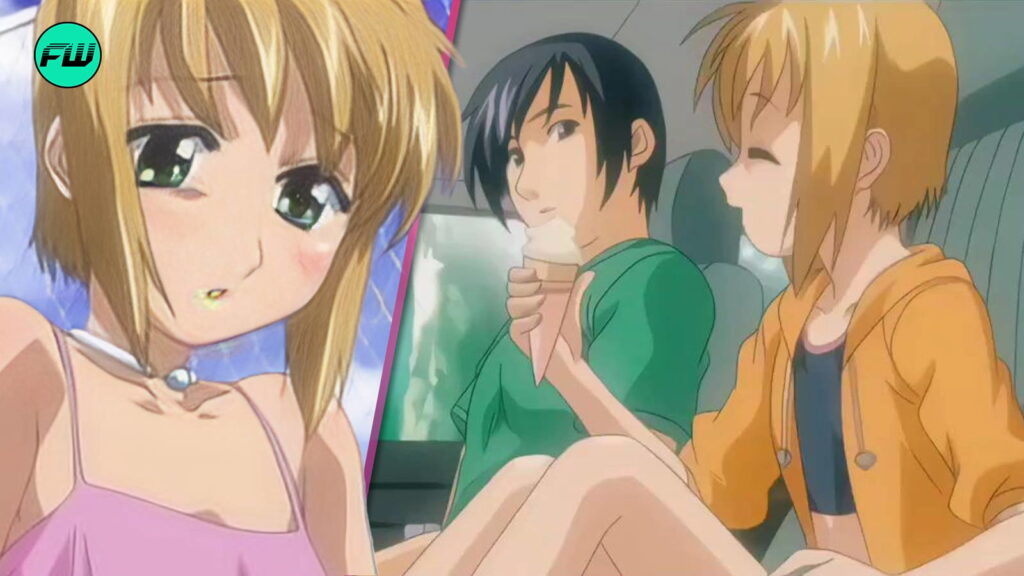
If you’ve spent any time in anime communities online, you’ve probably heard the name “Boku no Pico” whispered with a mix of shock and dark humor. But what is Boku no Pico famous for, exactly? This question has puzzled many newcomers to anime culture, and the answer is more complicated than you might think. This Japanese animated series has achieved a level of notoriety that few anime titles ever reach, but not for the reasons most creators would want. In this article, we’ll explore why this particular anime became such a controversial topic and how it turned into one of the internet’s longest-running inside jokes.
What Exactly Is Boku no Pico?
Boku no Pico is a Japanese original video animation (OVA) series that was released in 2006. The title translates to “My Pico” in English, and it was produced by Natural High, a studio known for creating adult content. Unlike mainstream anime that you might find on popular streaming platforms, this series was never intended for general audiences or younger viewers. It falls into a very specific category of anime that deals with explicit adult themes.
The series consists of three episodes that were released over several years. The first episode came out in 2006, followed by “Pico to Chico” in 2007, and “Pico x CoCo x Chico” in 2008. Each episode runs about 30 to 50 minutes long, making it a relatively short series overall. The animation style is typical of mid-2000s anime production, with bright colors and character designs that might seem deceptively innocent at first glance.
What makes this anime different from regular series is its content rating and subject matter. It’s classified as an adult anime with explicit content that involves minors in inappropriate situations. This classification alone makes it controversial, but there’s more to the story of what is Boku no Pico famous for beyond just its content rating.
The Controversial Content That Made It Infamous
The main reason what is Boku no Pico famous for boils down to its extremely controversial subject matter. The series depicts relationships and situations involving underage characters in explicit scenarios. This content is illegal in many countries and violates the terms of service of virtually every mainstream platform. The anime portrays content that is considered harmful and exploitative, which is why it has been banned or restricted in numerous regions around the world.
Many people who ask what is Boku no Pico famous for are often shocked to learn the actual content of the series. The anime deals with themes that most societies consider unacceptable and harmful. It’s important to understand that the notoriety of this series comes from content that crosses serious ethical and legal boundaries. According to media analysts at mediaspank.co.uk, content like this represents the darker corners of anime production that most fans and creators actively distance themselves from.
The explicit nature of the content has made it a subject of serious criticism from child safety advocates, psychologists, and legal experts. Many countries have laws that prohibit this type of content, even in animated form. The series is not available on any legitimate streaming platforms, and possessing or distributing it can have legal consequences in many jurisdictions.
How It Became an Internet Meme
Despite (or perhaps because of) its controversial nature, Boku no Pico became one of anime culture’s most persistent memes. The transformation from obscure adult anime to internet phenomenon happened gradually through online anime communities, particularly on forums and imageboards in the late 2000s and early 2010s. Users began recommending the series to unsuspecting newcomers as a prank, knowing full well the shocking content they would encounter.
The “prank recommendation” became a rite of passage in certain anime communities. Experienced users would suggest Boku no Pico to someone asking for anime recommendations, often describing it with vague or misleading descriptions. The newcomer would then watch it, be shocked by the content, and the cycle would continue. This dark humor spread across platforms like 4chan, Reddit, YouTube, and various anime forums.
What is Boku no Pico famous for in meme culture? It became the ultimate “bait and switch” recommendation. Reaction videos of people watching it for the first time became popular on YouTube, though many of these videos have since been removed due to content policy violations. The meme evolved to the point where simply mentioning the title would elicit knowing responses from those familiar with anime culture.
The meme status of the series created a strange paradox. Most people who know about Boku no Pico have never actually watched it and have no intention of doing so. They know it purely through its reputation and the cultural references surrounding it. This secondary knowledge has allowed the meme to persist even among people who find the actual content reprehensible.
The Psychology Behind Shock Value Content
Understanding what is Boku no Pico famous for requires looking at why shock value content spreads online. Psychologists have studied how controversial and shocking material can gain attention and spread through social networks much faster than ordinary content. The human brain is wired to pay attention to things that violate our expectations or social norms, which is why shocking content often goes viral.
In the case of Boku no Pico, the extreme nature of the content combined with its seemingly innocent anime art style created a jarring contrast. This contrast amplified the shock factor when unsuspecting viewers encountered it. The desire to share that shock with others, or to warn friends about it, contributed to its spread through online communities.
There’s also a social bonding aspect to shared knowledge of taboo subjects. In anime communities, knowing about Boku no Pico became a marker of being “in the know” about internet culture. People who had been tricked into watching it formed a sort of collective experience, even though that experience was negative. This shared trauma, strange as it sounds, became part of internet anime culture’s collective memory.
However, it’s crucial to recognize that the psychological factors that made this content spread dont make the content itself acceptable. The shock value came from material that depicts harm, and understanding why it spread doesn’t justify or excuse the content itself.
The Impact on Anime’s Reputation
One significant aspect of what is Boku no Pico famous for is how it has affected the broader perception of anime as a medium. For people unfamiliar with anime, encountering references to Boku no Pico can create negative impressions about anime in general. This single series has sometimes been used to paint all anime with a broad brush, even though it represents an extreme outlier that most anime fans condemn.
The existence and notoriety of Boku no Pico has made it harder for anime fans to recommend the medium to newcomers. Many fans have stories of trying to introduce friends or family to anime, only to have someone bring up Boku no Pico as an example of why they think anime is problematic. This has created a defensive posture within the anime community, where fans feel the need to constantly distinguish between mainstream anime and extreme outlier content.
The series has also complicated discussions about anime content ratings and age-appropriateness. When critics of anime point to examples like Boku no Pico, it makes it more difficult to have nuanced conversations about content in anime. The vast majority of anime is created for specific age groups and follows content guidelines, but the existence of extreme outliers provides ammunition for those who want to criticize the entire medium.
Anime industry professionals and mainstream creators generally dont acknowledge Boku no Pico publicly. The series exists in a separate sphere from the anime that gets international distribution and mainstream attention. However, its notoriety has influenced conversations about content regulation and platform policies regarding anime content.
Why People Still Talk About It Today
More than 15 years after its initial release, people are still asking what is Boku no Pico famous for. The persistence of this topic in online discussions shows how certain internet phenomena can have surprisingly long lifespans. Several factors contribute to why this series remains part of internet culture conversations even today.
First, the meme has become self-perpetuating. New generations of anime fans discover the reference through older memes, videos, or discussions. They then ask about it, which prompts explanations and continues the cycle. The mystery surrounding something that’s so frequently referenced but rarely explained in detail makes people curious, even if they ultimately regret learning about it.
Second, the series represents a broader conversation about content boundaries in animation. As streaming platforms and content creators continue to debate what should and shouldn’t be allowed, Boku no Pico often comes up as an extreme example. It serves as a reference point in discussions about where lines should be drawn regarding animated content.
Third, the dark humor aspect has proven durable. Internet culture often embraces edgy or controversial humor, and the tradition of pranking newcomers with Boku no Pico recommendations has become a ritualistic part of certain online communities. While this humor is problematic and many people find it inappropriate, it has nonetheless contributed to the series’ continued relevance in internet discussions.
Finally, the series has become a case study in how content can spread through internet communities. Researchers, content moderators, and platform designers look at examples like this to understand how harmful content circulates online and how to prevent similar spread in the future.
The Legal and Ethical Concerns
A critical part of understanding what is Boku no Pico famous for involves recognizing the serious legal and ethical issues surrounding the content. In many countries, including the United States, content depicting minors in sexual situations is illegal, even in animated form. Laws like the PROTECT Act of 2003 in the US criminalize virtual or cartoon child pornography, which would include content like Boku no Pico.
Possessing, distributing, or viewing this type of content can result in serious legal consequences. People who encounter references to the series online should understand that accessing it could potentially violate laws in their jurisdiction. This isn’t just about moral concerns, its about actual legal risks that can affect someone’s life in significant ways.
Beyond legal issues, there are substantial ethical concerns about content that sexualizes minors, even in fictional or animated contexts. Child safety experts and psychologists have raised alarms about how such content can normalize harmful attitudes toward children. The existence and distribution of this type of material creates real harm, even though the characters are animated rather than real people.
Some key legal and ethical concerns include:
- Violation of child protection laws in multiple countries
- Potential normalization of harmful attitudes toward minors
- Contribution to demand for exploitative content
- Psychological impact on viewers, particularly younger audiences who might encounter it
- Platform liability issues for sites that host or allow discussion of such content
The conversation about what is Boku no Pico famous for can’t be separated from these serious concerns. While internet culture has turned it into a meme, the underlying content represents real harm and genuine legal risks.
How Streaming Platforms Handle Such Content
The question of what is Boku no Pico famous for also extends to how legitimate anime streaming platforms deal with controversial content. Major platforms like Crunchyroll, Funimation (now merged with Crunchyroll), Netflix, and Hulu have strict content policies that would prohibit series like Boku no Pico from ever appearing on their services.
These platforms employ content review teams that evaluate anime before licensing or distributing it. They look at factors like age-appropriateness, content ratings, and whether the material violates their terms of service or applicable laws. Content that sexualizes minors is universally prohibited across all major streaming platforms, not just for anime but for all types of media.
When platforms discover that users are discussing or attempting to share prohibited content, they typically take enforcement actions. This might include removing posts, suspending accounts, or in serious cases, reporting violations to law enforcement. The systems these platforms use to detect and prevent the spread of harmful content have become more sophisticated over time.
The anime industry itself has also taken steps to distance mainstream anime from extreme outlier content. Industry organizations promote responsible content creation and distribution. Most anime studios and publishers actively work to ensure their content complies with international standards and laws, knowing that violating these standards can damage the reputation of anime as a whole.
The Difference Between Boku no Pico and Mainstream Anime
For people wondering what is Boku no Pico famous for, it’s essential to understand how dramatically different this series is from typical anime. Mainstream anime comes in many genres and caters to different age groups, from children’s shows to adult-oriented content. However, even adult anime has limits and follows content standards that Boku no Pico violates.
Most anime is created with specific audiences in mind and receives appropriate content ratings. Shows like “My Hero Academia,” “Attack on Titan,” “Demon Slayer,” or “Spy x Family” represent what most people think of when they hear the word “anime.” These series have engaging stories, character development, and production values that appeal to wide audiences. They’re distributed through legitimate channels and are appropriate for their target age groups.
Even anime that contains adult content, like series with violence or mature themes, still operates within ethical and legal boundaries. There’s a clear distinction between content rated for mature audiences and content that depicts illegal activities or harm. Boku no Pico crosses lines that the overwhelming majority of anime never approaches.
The anime community itself largely rejects content like Boku no Pico. Most anime fans have diverse tastes but share a common understanding that certain boundaries shouldn’t be crossed. Fan conventions, anime clubs, and online communities typically have rules prohibiting discussion or promotion of content that sexualizes minors.
Table: Mainstream Anime vs. Extreme Outlier Content
| Aspect | Mainstream Anime | Boku no Pico Type Content |
|---|---|---|
| Distribution | Licensed streaming platforms | Underground, illegal channels |
| Legal Status | Legal in most countries | Illegal in many jurisdictions |
| Content Rating | Rated for appropriate age groups | Contains illegal content |
| Industry Support | Supported by legitimate studios | Condemned by mainstream industry |
| Community Reception | Widely enjoyed by fans | Universally rejected as harmful |
| Cultural Impact | Positive contribution to entertainment | Damages anime’s reputation |
What Parents and Educators Should Know
Given what is Boku no Pico famous for, parents and educators need to be aware that not all anime is appropriate for young viewers. While anime as a medium includes plenty of family-friendly content, there are also series designed for adult audiences. Unfortunately, there are also extreme outliers like Boku no Pico that contain illegal and harmful content.
Parents should research anime series before allowing children to watch them, just as they would with any other media. Resources like Common Sense Media, MyAnimeList ratings, and parent reviews can provide guidance on age-appropriateness. Most legitimate streaming platforms have parental control features that can restrict access to mature content.
Educators should be aware that students interested in anime culture might encounter references to controversial series like Boku no Pico online. Creating safe spaces for discussions about internet culture and helping students understand why certain content is harmful can be valuable. Students should know that encountering such content isn’t their fault, but they should report it to trusted adults rather than sharing it.
Key points for parents and educators:
- Not all anime is for children, despite the animated format
- Check content ratings and reviews before allowing access
- Use parental controls on streaming platforms
- Have open conversations about internet safety
- Teach critical thinking about online content recommendations
- Make sure young people know they can report harmful content without getting in trouble
Understanding what is Boku no Pico famous for helps adults protect young people from potentially harmful content while still allowing them to enjoy the many positive aspects of anime culture.
How the Anime Community Has Responded
The anime community’s response to what is Boku no Pico famous for has been complex. On one hand, the series has been turned into a meme and is often referenced in dark humor. On the other hand, most serious anime fans and community leaders recognize the content as harmful and inappropriate.
Many anime forums and subreddits have specific rules prohibiting recommendations of Boku no Pico, especially to newcomers. Moderators actively remove posts that try to trick people into watching it. Community guidelines often explicitly mention that pranking people with harmful content recommendations is not acceptable behavior.
Anime YouTubers and content creators who focus on anime culture have addressed the topic directly, usually to warn people away from it rather than to promote it. These creators often explain what is Boku no Pico famous for while making clear that the content itself is not something anyone should watch. They use their platforms to draw distinctions between this outlier and legitimate anime.
The community has also become more conscious about recommending anime responsibly. Many anime fans now provide content warnings and age ratings when suggesting series to others. There’s a growing understanding that the medium’s reputation depends partly on how the community itself handles discussions about problematic content.
However, the meme aspect persists in some corners of internet culture. This creates tension between those who treat it as a joke and those who recognize the serious harm represented by the content. This ongoing tension reflects broader conversations about what kinds of humor are acceptable in online spaces.
The Role of Internet Culture in Spreading Awareness
Paradoxically, internet culture’s obsession with what is Boku no Pico famous for has created both awareness and problems. On the positive side, the widespread discussion means that many people now know to avoid the content. The notoriety serves as a warning label of sorts. When someone mentions Boku no Pico in an anime community, experienced members quickly explain why it shouldn’t be watched.
However, the meme-ification of the series has also created a sanitized version of the topic that sometimes obscures the serious nature of the content. People might laugh at references without fully understanding what makes the content harmful. This can trivialize serious issues related to child safety and exploitation.
Internet culture has evolved in how it handles such topics. Platforms have improved their content moderation policies. Communities have developed better practices for discussing sensitive subjects. There’s increasing recognition that even if something becomes a meme, that doesn’t erase the harm associated with the original content.
The spread of information about what is Boku no Pico famous for demonstrates both the power and the problems of internet culture. Information spreads quickly, but so does misinformation. Humor can be used to process difficult topics, but it can also minimize serious issues. Understanding this dynamic helps explain why discussions about the series continue years after its release.
Key Takeaways
Understanding what is Boku no Pico famous for requires looking at multiple aspects of internet culture, anime community dynamics, and content ethics. The series gained notoriety for containing illegal and harmful content that sexualizes minors. It became an internet meme through prank recommendations in anime communities, but the underlying content represents serious legal and ethical violations.
Important points to remember:
- Boku no Pico is infamous for illegal content, not quality or entertainment value
- The series is prohibited on all legitimate streaming platforms
- Possessing or viewing such content can have legal consequences
- The meme status doesn’t make the content acceptable
- Mainstream anime is fundamentally different from this outlier
- Parents should monitor children’s anime viewing and educate about internet safety
- The anime community largely rejects this content despite the memes
The persistence of discussions about what is Boku no Pico famous for shows how internet culture can turn even harmful content into lasting phenomena. However, it’s crucial to separate the meme from the reality and understand why this content is universally condemned by ethical creators, platforms, and community leaders.
Conclusion
So, what is Boku no Pico famous for? The answer is uncomfortable but important: it’s famous for being one of the most notorious examples of harmful anime content that crossed serious legal and ethical boundaries. Its notoriety comes from shock value, internet memes, and its role as a cautionary tale about the darkest corners of anime production.
The series has had a lasting impact on anime culture, not because of any artistic merit, but because it became a symbol of content boundaries and internet prank culture. While it’s been turned into a meme, the underlying content represents real harm and serious legal issues that shouldn’t be trivialized.
Frequently Asked Questions
Is Boku no Pico available on any legal streaming platform?
No, Boku no Pico is not available on any legitimate streaming platforms like Crunchyroll, Netflix, Hulu, or Funimation. The content violates the terms of service of all major platforms and is illegal in many countries. Any site hosting this content is likely operating illegally.
Why do people keep recommending it if it’s so bad?
The recommendation of Boku no Pico started as an internet prank in anime communities. People would trick newcomers into watching it for shock value. While this became a meme, most responsible community members now discourage this practice because the content is genuinely harmful.
What should I do if I accidentally watched it?
If you accidentally encountered this content, you’re not at fault. Don’t share it with others, and consider reporting where you found it to the platform’s moderators or appropriate authorities. If you’re a minor and this disturbed you, talk to a trusted adult about what you saw.
Does watching Boku no Pico have legal consequences?
In many jurisdictions, including parts of the United States and other countries, possessing or viewing animated content that sexualizes minors can violate laws. While enforcement varies, there are genuine legal risks associated with accessing this type of content, beyond just the ethical concerns.
How can I protect my kids from encountering content like this?
Use parental controls on streaming devices, monitor your children’s internet activity, and have open conversations about online safety. Teach them to come to you if they encounter disturbing content. Research anime series before allowing access, and stick to well-known platforms with content moderation.
Is all anime like Boku no Pico?
Absolutely not. Boku no Pico is an extreme outlier that the mainstream anime industry and community reject. The vast majority of anime is created by legitimate studios, follows content guidelines, and is appropriate for its target age group. Many anime series are family-friendly or contain only age-appropriate content for teens and adults.