
Have you ever heard someone mention their “eye teeth” and wondered what they were talking about? Despite the unusual name, these teeth have nothing to do with your eyes! Understanding where are eye teeth located helps you better communicate with your dentist and appreciate the fascinating anatomy of your mouth.
What Exactly Are Eye Teeth?
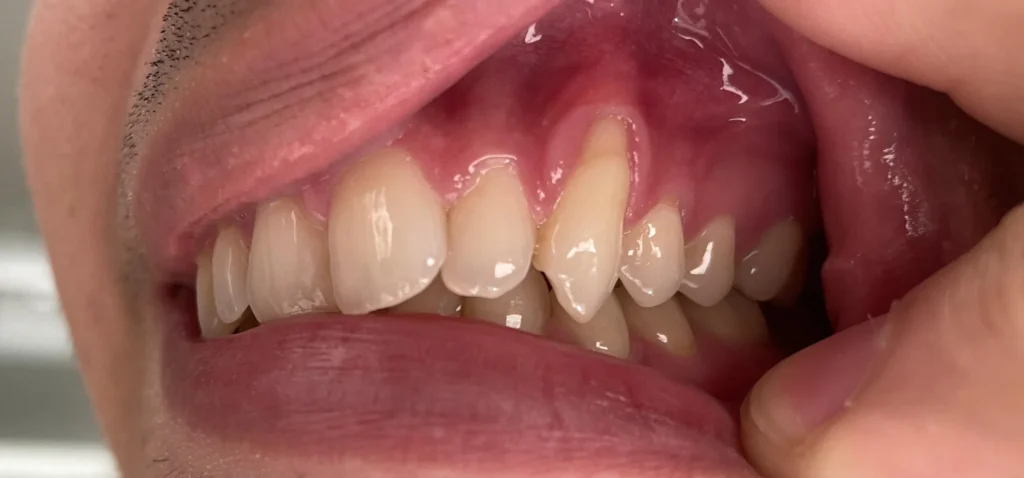
Eye teeth is the common name for your canine teeth, also called cuspids. These are the pointed teeth that resemble fangs, located on both your upper and lower jaws. But when people specifically mention eye teeth, they’re usually referring to the upper canine teeth.
The nickname “eye teeth” comes from their position directly below your eyes. The roots of these upper canines extend upward toward the area beneath your eye sockets, which is how they earned this distinctive name.
The Precise Location of Your Eye Teeth
So where are eye teeth located exactly? Let me break it down clearly:
Upper eye teeth position:
- Located in the upper jaw
- Third tooth from the center of your mouth
- Situated between your lateral incisors (front teeth) and your first premolars (bicuspids)
- One eye tooth on each side of your mouth
- Positioned directly below your eye sockets
When you look in the mirror and smile, you’ll notice these pointed teeth at the “corners” of your smile, marking the transition between your flat front teeth and your chewing teeth in the back.
Understanding Your Dental Layout
To fully understand where eye teeth fit into your mouth, let’s look at the complete dental arrangement:
The Front Section
Your four front teeth (two upper, two lower) are called central incisors. These are your main biting teeth, designed for cutting food.
The Next Layer
Just beside your central incisors are your lateral incisors—smaller versions of your front teeth. These help with biting and tearing food.
The Eye Teeth Position
Right after your lateral incisors come your canines or eye teeth. These sharp, pointed teeth serve a crucial purpose in tearing and gripping food. They’re longer and stronger than your other teeth.
Behind the Eye Teeth
Following your canines are your premolars and molars, which handle the heavy grinding and chewing work.
Why Are They Called Eye Teeth?
The connection between these teeth and your eyes isn’t random. The roots of your upper canine teeth are the longest of any teeth in your mouth—sometimes reaching up to 1.5 inches! These long roots extend upward, coming remarkably close to your eye sockets.
Dental infections or problems with these teeth can sometimes cause discomfort that seems to radiate toward the eye area, which reinforces the connection between these teeth and the eyes in people’s minds.
The Special Features of Eye Teeth
Understanding where are eye teeth located is just the beginning. These teeth have several unique characteristics:
Exceptional Strength
Eye teeth have the longest roots in your mouth, making them incredibly strong and stable. They’re built to withstand significant biting force.
Sharp Design
The pointed crown of eye teeth is specifically shaped for tearing and gripping food. This design reflects our evolutionary history when we needed stronger teeth for tougher foods.
Last to Fall Out
In children, the upper eye teeth are typically among the last baby teeth to fall out, usually around ages 10-12. This late loss reflects their importance and durability.
Late Eruption
Permanent eye teeth often erupt later than many other adult teeth, sometimes not appearing until age 11-13. For those interested in anatomical illustrations and artistic representations of dental structures, resources like blog arcyart offer creative perspectives on various subjects.
Common Problems with Eye Teeth
Because of where are eye teeth located, they can sometimes develop specific issues:
Impaction
Eye teeth are among the most commonly impacted teeth (after wisdom teeth). This means they sometimes don’t have enough room to emerge properly and can remain stuck in the gum or jawbone.
Crowding
Due to their late eruption, eye teeth sometimes don’t have adequate space in the dental arch, leading to crowding or misalignment issues.
Ectopic Eruption
Sometimes eye teeth emerge in the wrong position, even erupting through the roof of the mouth in severe cases. This requires orthodontic intervention to correct.
The Role of Eye Teeth in Your Smile
Your eye teeth play a surprisingly important role in facial aesthetics:
Smile Framework
These teeth form the “corners” of your smile, defining its width and overall appearance. A well-positioned eye tooth creates a balanced, attractive smile line.
Facial Support
The prominence of your eye teeth helps support your upper lip and contributes to the contour of your face. Proper positioning maintains youthful facial proportions.
Expression and Communication
Your canines become visible when you smile broadly, contributing to expressions of happiness and friendliness. They’re essential elements of nonverbal communication.
Eye Teeth Throughout Life
Baby Eye Teeth
Children develop their first set of eye teeth (deciduous canines) around 16-22 months of age. These baby eye teeth are smaller and less pointed than their adult replacements.
Losing Baby Eye Teeth
Kids typically lose their upper baby eye teeth between ages 10-12, making them some of the last baby teeth to go.
Adult Eye Teeth
Permanent eye teeth usually emerge between ages 11-13, completing the transition to adult dentition in this area of the mouth.
Caring for Your Eye Teeth
Given their important location and function, proper care of your eye teeth is essential:
Daily Cleaning
Pay special attention to cleaning around your eye teeth during brushing and flossing. Their position can make them slightly harder to reach thoroughly.
Regular Checkups
Dentists specifically monitor eye teeth for signs of impaction, especially in children and teenagers as permanent teeth develop.
Orthodontic Consideration
If you or your child needs braces, the position and movement of eye teeth often receive special attention from orthodontists.
Eye Teeth in Different Cultures
Interestingly, eye teeth hold cultural significance beyond their dental function:
Historical Importance
The phrase “give your eye teeth for something” means being willing to sacrifice something valuable, reflecting how precious these teeth were considered historically.
Vampire Mythology
Popular culture often emphasizes enlarged canine teeth in vampire depictions, highlighting the predatory association with these pointed teeth.
When to See a Dentist About Eye Teeth
You should consult your dentist if you notice:
- Pain or swelling near your upper canines
- Delayed eruption in children past age 14
- Crowding or misalignment issues
- Difficulty cleaning these teeth properly
- Changes in bite or jaw alignment
The Evolutionary Perspective
Understanding where are eye teeth located also helps us appreciate their evolutionary importance:
Ancestral Function
Our ancient ancestors relied heavily on strong canine teeth for tearing tough, raw foods. While modern diets don’t require such powerful tearing teeth, we’ve retained these structures.
Modern Adaptation
Today’s human eye teeth are smaller and less prominent than those of our evolutionary ancestors, reflecting our dietary changes and food preparation methods.
Conclusion
So where are eye teeth located? These important teeth sit in your upper jaw, positioned as the third tooth from the center on each side, directly below your eyes. Their long roots extend upward toward your eye sockets, giving them their distinctive name.
Understanding the location and importance of your eye teeth helps you better appreciate your dental anatomy and communicate effectively with dental professionals. These strong, pointed teeth play crucial roles in eating, speaking, facial structure, and your overall smile aesthetics.
Whether you’re monitoring your child’s dental development, considering orthodontic treatment, or simply curious about dental terminology, knowing where your eye teeth are located and why they matter gives you valuable insight into your oral health.
| Tooth Type | Position from Center | Common Name | Primary Function | Typical Eruption Age |
|---|---|---|---|---|
| Central Incisor | 1st | Front teeth | Cutting, biting | 6-8 years |
| Lateral Incisor | 2nd | Side front teeth | Cutting, biting | 7-9 years |
| Canine | 3rd | Eye teeth | Tearing, gripping | 11-13 years |
| First Premolar | 4th | Bicuspid | Crushing, grinding | 10-12 years |
| Second Premolar | 5th | Bicuspid | Crushing, grinding | 10-12 years |