
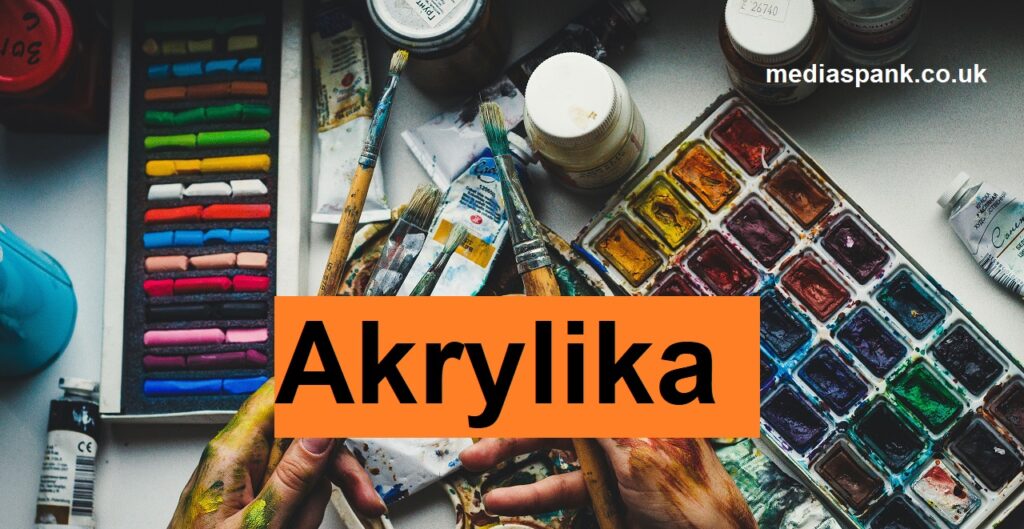
The world of painting is vibrant and full of possibilities, but with so many options available, choosing the right medium can be daunting. Among these choices lies Akrylika, a contemporary twist on traditional acrylic paints that has captured the attention of artists everywhere. If you’ve ever wondered whether to stick with tried-and-true methods or explore new materials, you’re not alone. Each type offers unique benefits and challenges that can shape your artistic journey in different ways.
In this blog post, we’ll dive into the nuances between Akrylika and traditional acrylics. Whether you’re an aspiring artist or a seasoned pro looking to experiment with something fresh, understanding these differences will empower your creative decisions. Get ready to unlock new dimensions in your art as we explore what makes each medium special!
Akrylika vs. Traditional Paints: Which Is Right for Your Artistic Journey?
Choosing the right paint can feel overwhelming, especially with so many options available. Akrylika and traditional acrylics each have their own unique characteristics that cater to different styles and preferences. Understanding these distinctions is key to enhancing your artistic expression.
Akrylika has gained popularity due to its versatility and ease of use. It dries quickly, allowing artists to layer colors without long waiting periods. This feature suits those who thrive on spontaneity in their creative process. The smooth texture also makes blending effortless, enabling seamless transitions between hues.
On the other hand, traditional acrylics offer a tried-and-true approach for many artists. They provide rich pigmentation and matte finishes that some creators prefer for specific techniques. Their slightly slower drying time can be beneficial when working on detailed projects or large canvases where precision is essential.
The choice between Akrylika and traditional paints hinges on your personal style and workflow preferences. Experimentation with both mediums may reveal surprising insights about what resonates most deeply with you as an artist.
Introduction
The world of art is vast and filled with choices. For artists, selecting the right medium can be both exciting and daunting. Among these options are traditional paints and Akrylika, a unique acrylic variant that has gained popularity in recent years.
Understanding the differences between these materials is essential for any aspiring or seasoned artist. Each type offers distinct qualities that influence texture, drying time, and overall appearance on canvas. This blog aims to explore what makes Akrylika stand out from its traditional counterparts.
Whether you’re an abstract painter or a hyper-realistic artist, your choice of paint matters significantly. It can impact not only your creative process but also how viewers perceive your artwork. Knowing which medium aligns with your artistic vision will empower you on this journey.
As we delve into the characteristics of Akrylika compared to traditional paints, you’ll discover insights that could shape your next masterpiece. Let’s take a closer look at what sets these two types apart so you can make informed decisions for your artistic endeavors.
Akrylika vs. Traditional Acrylics: What Sets This Material Apart?
Akrylika is an innovative material that has been making waves in the art community. While traditional acrylics have long been favored for their versatility and quick drying time, Akrylika takes this a step further. It offers unique properties that change how artists approach their work.
One standout feature of Akrylika is its texture. Unlike conventional acrylics, which can often feel flat on the canvas, Akrylika provides a richer, more dimensional finish. This allows artists to create depth and complexity in their pieces without relying heavily on layering techniques.
Another difference lies in the color vibrancy of Akrylika. The pigments used are engineered to be more intense and saturated than those found in traditional acrylic paints. This means your colors will pop off the canvas with greater impact, capturing attention instantly.
Moreover, Akrylika dries faster but remains workable longer compared to standard acrylics. Artists can enjoy the benefits of quick drying while still having time for blending and manipulation before it sets completely—an ideal combination for creative expression.
The Art of Acrylic Paints
Acrylic paints have transformed the world of art since their introduction. Known for their versatility, they can mimic the qualities of both oil and watercolor paints. This adaptability makes them a favorite among artists at all skill levels.
Using acrylics allows for quick drying times, enabling spontaneous creativity. Artists can layer colors without waiting long periods, making it ideal for those who want to work fast or need to make adjustments on the fly. The vibrant pigments in acrylics also ensure that artworks remain bright and visually striking over time.
The medium is water-soluble when wet but becomes water-resistant once dry. This characteristic offers incredible flexibility in techniques—from washes to impasto texturing—allowing artists to explore various styles effortlessly.
Furthermore, acrylics are compatible with a wide range of surfaces: canvas, paper, wood, and even fabric. Whether you’re painting abstract pieces or detailed portraits, acrylic paint provides an array of possibilities that inspire boundless creativity across different genres.
Differences Between Akrylika and Traditional Acrylics
Akrylika and traditional acrylics both serve as popular mediums for artists, but they differ significantly in composition and application. Akrylika is often formulated with unique additives that enhance its flow and blending capabilities. This results in a smoother texture compared to standard acrylic paints.
Another key difference lies in the drying time. Traditional acrylics can dry quickly, sometimes making it challenging for artists who prefer to work slowly or blend colors seamlessly. On the other hand, Akrylika offers a more extended open time, allowing for meticulous layering and adjustments without the rush.
The vibrancy of colors is also worth noting. While traditional acrylics are known for their bright pigments, Akrylika takes it a step further by providing even richer hues due to its advanced formula. Artists looking for depth in color may find this aspect particularly appealing.
Cleanup processes differ too; traditional acrylics require water-based solvents for cleaning brushes and tools. Meanwhile, some formulations of Akrylika might allow easier cleanup options because of their innovative components designed to reduce residue during art-making sessions.
Advantages of Using Akrylika
Akrylika offers a unique blend of versatility and vibrancy that many artists find appealing. Its quick-drying nature allows for seamless layering, enabling creators to experiment without long waits between applications. This feature is particularly beneficial for those who thrive on spontaneity in their work.
The color payoff with Akrylika is impressive. Artists can achieve bright, bold hues that stand out on any canvas. This richness means fewer layers are needed to reach the desired effect, saving time and materials during the creative process.
Another advantage lies in its adaptability across various surfaces. Unlike traditional acrylics that may require specific primers or treatments, Akrylika adheres well to wood, canvas, paper, and more without extensive preparation.
Additionally, clean-up is straightforward with Akrylika since it typically uses water as a solvent. This makes it not only artist-friendly but also more environmentally conscious compared to other paint options requiring harsher chemicals for cleaning up spills or brushes.
Challenges When Using Akrylika
Using Akrylika can be an exciting experience, but it’s not without its challenges. One of the most significant hurdles is mastering its drying time. Unlike traditional paints that offer a slower drying process, Akrylika dries quickly. This can make blending colors a bit tricky for artists who prefer to work at a more leisurely pace.
Another challenge lies in its consistency and texture. Some artists find that achieving the right thickness or opacity with Akrylika requires experimentation and practice. It might take some trial and error to get comfortable with how it flows on different surfaces.
Additionally, finding the perfect medium or additive to enhance your artwork can prove difficult. While there are various options available, sifting through them to find what works best for you may feel overwhelming.
Unlike traditional acrylics which have been around longer, Akrylika’s unique properties still require further exploration by artists everywhere. Embracing these learning experiences is part of any artistic journey; adapting techniques will ultimately lead to growth in creativity.
How to Work with Akrylika Effectively
Working with Akrylika requires a bit of finesse, but it can be incredibly rewarding. Start by preparing your surface properly. Whether you’re painting on canvas, wood, or paper, ensure it’s clean and primed if necessary. This helps the paint adhere better and enhances the vibrancy of your colors.
Mixing Akrylika is key to achieving the desired consistency. Use palette knives or brushes to blend pigments smoothly. You can adjust opacity and texture easily by adding water or mediums designed for acrylics. Experimenting with these combinations will give you unique effects that traditional paints may not achieve.
When applying the paint, consider using various brush techniques—stippling, dry brushing, or glazing—to create depth in your artwork. Layering is essential; allow each layer to dry before adding another to prevent muddiness in colors while retaining crisp lines.
Clean up promptly after you’re done painting since Akrylika dries quickly. Wash brushes and palettes thoroughly with water so they remain in good condition for future use. Keeping everything tidy will make your next artistic session smoother and more enjoyable.
Comparing Cost and Availability
When considering Akrylika, cost and availability are essential factors for artists. Generally, Akrylika tends to be priced competitively with traditional acrylic paints. This affordability makes it accessible for both novice and experienced artists alike who want to experiment without breaking the bank.
Availability varies depending on where you shop. Major art supply stores often carry a range of colors in both mediums, but specialty shops might offer exclusive lines of Akrylika that aren’t found elsewhere. Shopping online can also yield unique options not typically stocked locally.
Additionally, shipping costs may play a role in your decision-making process if purchasing online. Some retailers provide free shipping thresholds or promotions that could sway your choice toward one medium over another.
Consider local art fairs or workshops as well; they sometimes showcase new products like Akrylika at discounted rates. Staying informed about upcoming events can lead to great finds while supporting local artists and businesses in the community.
Conclusion
Choosing between Akrylika and traditional paints is a decision that can significantly shape your artistic journey. Each option has unique characteristics that cater to different styles, preferences, and techniques. Akrylika offers a modern twist on acrylic paint, boasting qualities that appeal to contemporary artists seeking versatility and ease of use.
While traditional acrylics have been a staple for years, the advancements in Akrylika technology present exciting opportunities for experimentation. Consider your own needs—be it texture, drying time, or finish—to determine which medium aligns best with your vision.
Understanding the strengths and challenges of both materials will empower you as an artist. Whether you lean towards the innovative nature of Akrylika or prefer sticking with tried-and-true traditional paints, each choice can lead to remarkable creations. Embrace the process of discovery as you explore what works best for you in expressing your creativity through art.