
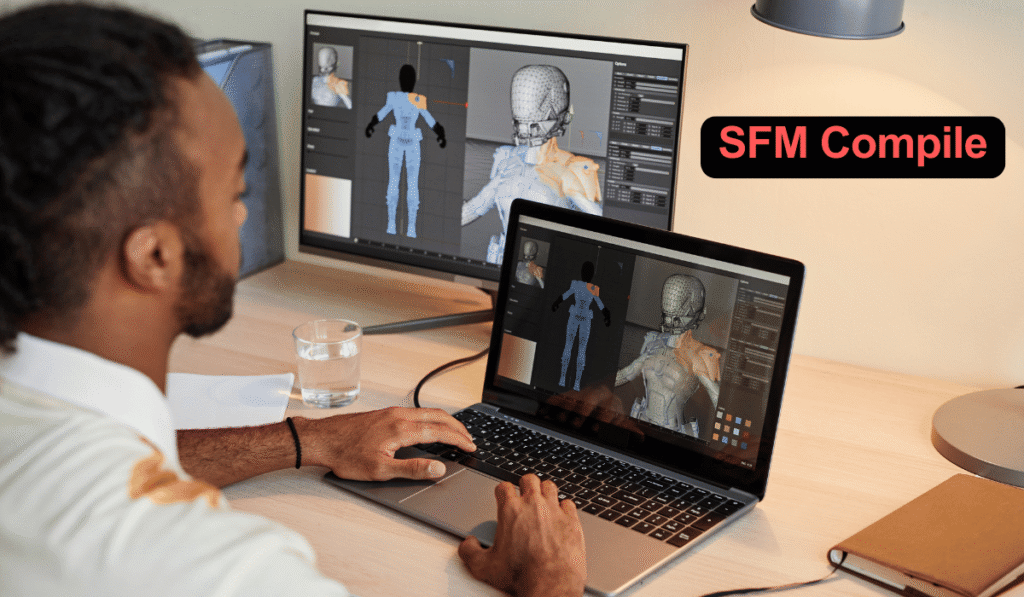
If you’ve worked with Source Filmmaker, you’ve probably encountered sfmcompile at some point. This command-line tool is essential for anyone creating custom content in SFM, but it can be confusing if you’re new to the software. Let’s break down what sfmcompile does and how to use it effectively.
What Is SFMCompile?
SFMcompile is a compilation utility that comes bundled with Source Filmmaker. It’s basically a tool that converts your raw asset files into formats that SFM can actually use. Think of it as a translator between the files you create and the files SFM needs to render your animations.
The tool lives in your Source Filmmaker directory, typically found at Steam\steamapps\common\SourceFilmmaker\game\bin. It’s a command-line program, which means you’ll need to run it through the Windows command prompt rather than clicking a simple icon.
Why Do You Need SFMCompile?
When you’re creating custom models, materials, or other assets for SFM, they don’t automatically work in the program. You need to compile them first. SFMcompile handles several important tasks:
Converting Model Files
Raw model data needs to be converted into MDL files that Source Filmmaker can read. This includes geometry, textures, and rigging information.
Processing Materials
Material files need proper compilation to display correctly in your scenes. SFMcompile ensures your textures and shaders work as intended.
Handling Animations
If you’re importing custom animations, sfmcompile helps convert them into the right format for SFM’s animation system.
Getting Started with SFMCompile
Before you start using sfmcompile, make sure you have Source Filmmaker properly installed through Steam. The tool comes with the program, so there’s nothing extra to download.
Finding the Tool
Navigate to your SFM installation folder. The exact path depends on where you installed Steam, but it usually looks something like this:
C:\Program Files (x86)\Steam\steamapps\common\SourceFilmmaker\game\bin
You’ll find sfmcompile.exe in this directory along with other compilation tools.
Setting Up Your Workspace
Create a dedicated folder for your projects outside the main SFM directory. This keeps your custom content organized and makes it easier to track what you’re working on. Many users create a folder structure that mirrors SFM’s own organization.
Using SFMCompile: The Basics
Running sfmcompile requires using the Windows command prompt. Don’t worry if you’re not comfortable with command-line tools. The process is straightforward once you understand the basic structure.
Opening Command Prompt
Press Windows + R, type “cmd” and hit enter. This opens the command prompt window where you’ll run sfmcompile commands.
Navigate to the bin folder where sfmcompile lives using the cd command. For example:
cd C:\Program Files (x86)\Steam\steamapps\common\SourceFilmmaker\game\bin
Basic Command Structure
The typical sfmcompile command follows this pattern:
sfmcompile -game "[path to game folder]" "[path to your source file]"
The game path tells sfmcompile where to output the compiled files. Your source file is whatever you’re trying to compile.
Common SFMCompile Tasks
Let’s look at specific scenarios where you’d use sfmcompile and how to handle them.
Compiling Custom Models
When you have a QC file for a custom model, you’ll use sfmcompile to turn it into a working MDL file. The QC file contains instructions about how to compile the model, including texture paths and bone structures.
Your command might look like:
sfmcompile -game "C:\SFM\game\usermod" "C:\MyProjects\model.qc"
The compiled files will appear in the usermod directory, ready to use in SFM.
Working with Materials
Materials need compilation too, especially if you’re using custom VMT files. SFMcompile processes these files and ensures they reference the correct textures and shaders.
Keep your texture files organized in the materials folder structure that SFM expects. This prevents broken texture references after compilation.
Batch Compilation
If you’re working on multiple assets, you can create batch files to compile everything at once. This saves time and ensures consistency across your project.
Create a text file with the .bat extension and list your sfmcompile commands. Double-clicking the batch file runs all commands in sequence.
Troubleshooting Common Issues
Even experienced users run into problems with sfmcompile sometimes. Here are solutions to the most common issues.
Path Errors
If sfmcompile can’t find your files, double-check your file paths. Make sure you’re using quotation marks around paths that contain spaces. Windows paths use backslashes, not forward slashes.
Missing Dependencies
Sometimes compilation fails because required files are missing. Check that all textures, materials, and referenced files are in the right locations before compiling.
Permission Problems
Running sfmcompile might require administrator privileges. If you get access denied errors, try running the command prompt as administrator. Right-click the command prompt icon and select “Run as administrator.”
Best Practices for SFMCompile
Following good habits makes working with sfmcompile much easier and prevents headaches down the road.
Organize Your Files
Keep source files separate from compiled files. Use clear, descriptive names for your projects. Create a consistent folder structure across all your work.
Test Early and Often
Don’t wait until you’ve created a dozen assets to start compiling. Test each piece as you go to catch problems early when they’re easier to fix.
Keep Backups
Always maintain backups of your source files. Compilation doesn’t delete your originals, but accidents happen. Having backups protects your work.
Document Your Process
Write down the exact commands you use for different tasks. This creates a reference guide you can consult later and helps if you need to recreate your workflow.
Advanced SFMCompile Techniques
Once you’re comfortable with basic compilation, you can explore more advanced options.
Custom Game Directories
You can compile assets to custom game directories for better organization. This is useful when working on multiple projects simultaneously.
Automated Workflows
Create scripts that handle multiple compilation steps automatically. This streamlines your workflow and reduces repetitive tasks.
Integration with Other Tools
SFMcompile works alongside other Source tools like Crowbar and VTFEdit. Learning how these tools interact creates a more efficient pipeline for content creation.
Conclusion
SFMcompile might seem intimidating at first, but it’s a powerful tool that opens up creative possibilities in Source Filmmaker. With practice, compiling custom assets becomes second nature. Start with simple projects, follow the basic command structure, and gradually work up to more complex tasks. The Source Filmmaker community is active and helpful, so don’t hesitate to ask questions when you get stuck. Happy animating!